



We deploy AI agents
into your tools

First agent live in 6-10 weeks — governed, embedded, maintained.

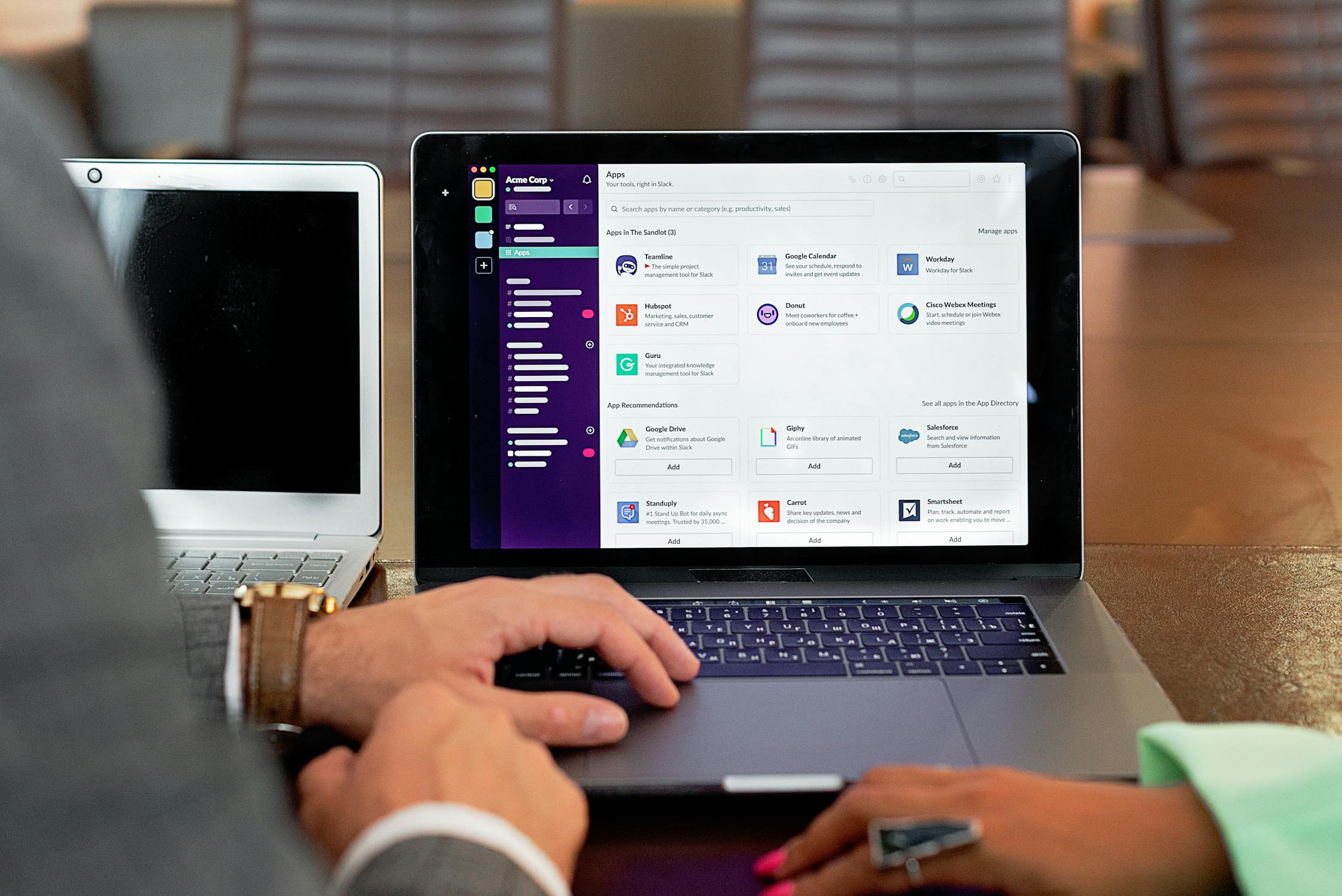
AI agents deployed inside business tools like Slack, CRM, and help desk
How we work: Map your workflow. Deploy agents in your tools. Monitor and improve monthly.

Capabilities

What AgentPrime deploys for you

Production-ready AI agents embedded in the tools your team already uses — with governance, approvals, and audit trails from day one.

Support Ticket Triage

AI classifies, drafts responses, and routes complex tickets to the right person — cutting first response time from hours to minutes inside Zendesk, Intercom, or Freshdesk.

CRM and Pipeline Hygiene

Agents update deal stages, draft follow-ups, and flag at-risk opportunities automatically in Salesforce or HubSpot — so your reps sell instead of doing data entry.

Internal Knowledge Assistant

A Slack or Teams bot that answers questions from your docs, wikis, and SOPs — reducing new hire ramp time by 30-50% and cutting "quick question" interruptions in half.

Client Reporting Automation

Agents pull metrics from analytics platforms, project tools, and CRMs to assemble draft reports — turning 3-hour report prep into a 20-minute review.

Governed Approvals and Audit Trails

Every agent action includes human-in-the-loop approvals, full logging, and permission controls. Built for teams that need to trust what AI does on their behalf.

Continuous AgentOps

Monthly monitoring, tuning, and expansion of your agents. Models improve, your business evolves — your agents keep up without your team managing the AI.

The problem

You see the wave. You cannot catch it.

AI agents are transforming operations — and you are stuck watching

OpenClaw hit 234,000 GitHub stars in weeks. Your competitors are deploying autonomous agents. Your leadership keeps asking "what are we doing with AI?" — and your honest answer is: not enough.

The technology moves faster than your team can learn it

OpenClaw, ClawBot, and the new generation of agent frameworks ship capabilities monthly. Your team tried building a bot in Slack. It worked in a demo. It never reached production. The gap between "AI demo" and "AI in your workflow" is not a technology problem — it is an implementation, governance, and change management problem.

Meanwhile, manual work keeps piling up

40% of ops time goes to coordination. A support hire costs $60K-$90K fully loaded and takes 2-4 months to onboard. Ticket volume grows 30-50% per year. Every month you wait, the cost of not automating compounds.

AI experiments stall in pilot mode

88% of AI pilots never reach production. Internal experiments die because governance, edge case handling, and tool integration are harder than building the prototype. You do not need another experiment. You need agents running in production.

We take the same agent architecture behind OpenClaw — autonomous, tool-embedded, messaging-native — and deploy it inside your business workflows with the governance that production demands.

Workflow-first design

We map your actual processes, identify the 60-90% that follows patterns, and build agents specifically for those steps. No generic bots. No "find a use case for this tool."

OpenClaw-style architecture, production-grade governance

Agents live inside Slack, your CRM, email, and help desk — the same messaging-native, tool-embedded approach that made OpenClaw the fastest-growing AI project in history. But with human-in-the-loop approvals, audit logging, and permission controls that production environments require.

Your team does not need to become AI engineers

You do not need to learn Python, configure agent runtimes, or manage model deployments. We handle the technical complexity. Your team provides the process knowledge.

Maintained, not abandoned

AgentOps retainer means your agents get monthly tuning, edge case handling, and capability expansion. Models improve. Frameworks evolve. Your agents keep up.

Results

Typical outcomes from the first 90 days

Typical outcomes from the first 90 days.

Support teams handle 2x volume

Agent-drafted responses cover 60-80% of tickets. First response time drops from 4-8 hours to under 15 minutes. Human agents focus on complex, high-value conversations.

Sales reps reclaim 5-8 hours per week

Automated CRM updates, follow-up drafts, and pipeline hygiene mean reps spend time selling, not doing data entry. CRM accuracy goes from ~60% to 90%+.

Reports ship on time, every time

Client reports that took 2-4 hours each now take 20-30 minutes of review. Formatting is consistent. Data is pulled directly from source systems.

New hires ramp 30-50% faster

Internal knowledge assistants answer routine questions from documentation, reducing "hey, quick question" interruptions and cutting onboarding time.

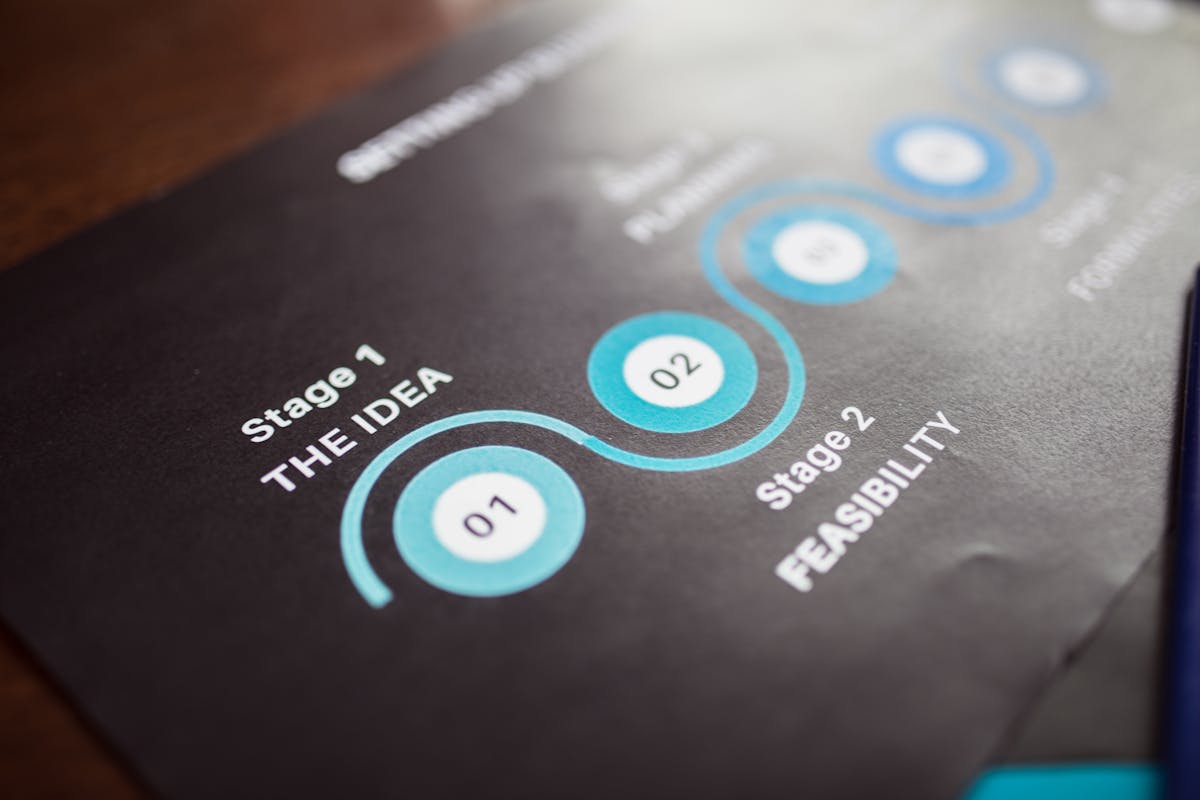
From AI-curious to AI-operational in three phases.

2-3 weeks: Discover

We map your highest-value workflows, identify where AI can safely automate 60-90% of the work, and deliver a prioritized implementation roadmap with expected ROI.

6-10 weeks: Deploy

We design, build, and deploy AI agents in your actual tools — Slack, CRM, help desk, email — with human approvals and audit trails. Shadow mode first, then gradual rollout.

Ongoing: Operate

Ongoing AgentOps: monthly monitoring, tuning, new workflow expansion, and performance reporting. Your agents get better every month without your team managing the AI.

Three-phase timeline from discovery to deployment to ongoing operations

Latest Insights

View all posts »

Practical guides on deploying AI agents in business operations — from workflow design to governance to ROI measurement.

How AI Agents Fix CRM Data Quality Where Manual Updates Failed

How AI Agents Fix CRM Data Quality Where Manual Updates Failed

CRM data quality isn't a discipline problem — it's a workflow problem. When 37% of staff admit to fabricating CRM data, enforcement has failed. Here's how AI agents fix the root cause by monitoring email and calendar activity and updating CRM fields automatically.

How AI Agents Cut the Hidden Cost of Manual Support Triage

How AI Agents Cut the Hidden Cost of Manual Support Triage

Manual ticket triage burns 40% of your support team's capacity on pattern-matching work that AI agents handle better. Here's the real math behind triage costs, why basic chatbots fall short, and what AI-assisted support looks like when it actually works.

FAQs

Frequently Asked Questions

Straight answers about how AgentPrime works and whether it fits your situation.

How long does it take to get the first agent running?

A typical first agent (e.g., support ticket triage or internal knowledge assistant) takes 6-10 weeks from contract to production. This includes 2 weeks of design, 3 weeks of build, 1-2 weeks of shadow mode testing, and a 30-day stabilization period. Simpler workflows can be faster.

What tools do you integrate with?

We work with whatever tools your team already uses. Common integrations include Slack, Microsoft Teams, Salesforce, HubSpot, Zendesk, Intercom, Freshdesk, Jira, Linear, Notion, Google Workspace, and email. We connect via official APIs and webhooks — no screen scraping.

What if the AI makes a mistake?

Every agent we deploy includes human-in-the-loop approvals for sensitive actions, full audit logging of all actions taken, and rollback capability. During the first 30 days, agents run in shadow mode — they draft actions but a human approves before anything executes.

Can we start small and expand later?

That is how most clients start. A typical journey: one workflow in month 1-2, a second in month 3-4, then ongoing expansion at roughly one new workflow per quarter.

Do we need technical staff to manage the agents?

No. We handle all design, implementation, and ongoing management. Your team provides process knowledge and feedback — typically less than 5 hours per week during implementation, and minimal time during the retainer phase.

What happens to my team? Will this replace jobs?

We design agents to handle the repetitive 60-80% of a workflow so your team can focus on the work that requires judgment, creativity, and relationships. Staff are involved in designing agent workflows from day one. The goal is to make their jobs better, not eliminate them.

How is this different from Zapier, Make, or traditional automation?

Zapier and Make are great for simple, trigger-based automations (if X then Y). AI agents handle unstructured tasks that require judgment — reading emails, classifying tickets, drafting responses, summarizing documents. They reason about context and route edge cases to humans.

What does OpenClaw have to do with AgentPrime?

OpenClaw is the fastest-growing open-source AI agent framework — it proved that autonomous agents can live inside messaging tools and handle real work. AgentPrime deploys agents built on the same architectural principles (messaging-native, tool-embedded, locally controlled) but adds the governance, workflow design, and ongoing operations that businesses need for production use.

< 15 min
Typical first-response improvement
60-80%
Ticket volume handled by agents
6-10
Weeks to first agent in production
5-8
Hours saved per rep per week

Stop hiring for work
that should run itself

Book a 30-minute discovery call. We will map one of your workflows and show you exactly where AI agents fit — and where they do not.